Journal articles (ORCID record)
Postdoctoral Research Associate · Plant Systems Biology
How do trees and crops withstand combined abiotic stresses?
Plant Systems Biology · Biosciences Division · Oak Ridge National Laboratory · Tennessee, USA
I investigate how trees and crops respond to interacting abiotic stresses, including heat, drought, salinity, waterlogging, and their combinations. My research integrates high-throughput imaging, plant physiology, stress biomarkers, population genomics, GWAS, and multi-omics to identify resilience traits and mechanisms.
At Oak Ridge National Laboratory I work in Plant Systems Biology and use the Advanced Plant Phenotyping Laboratory for high-throughput phenotyping.

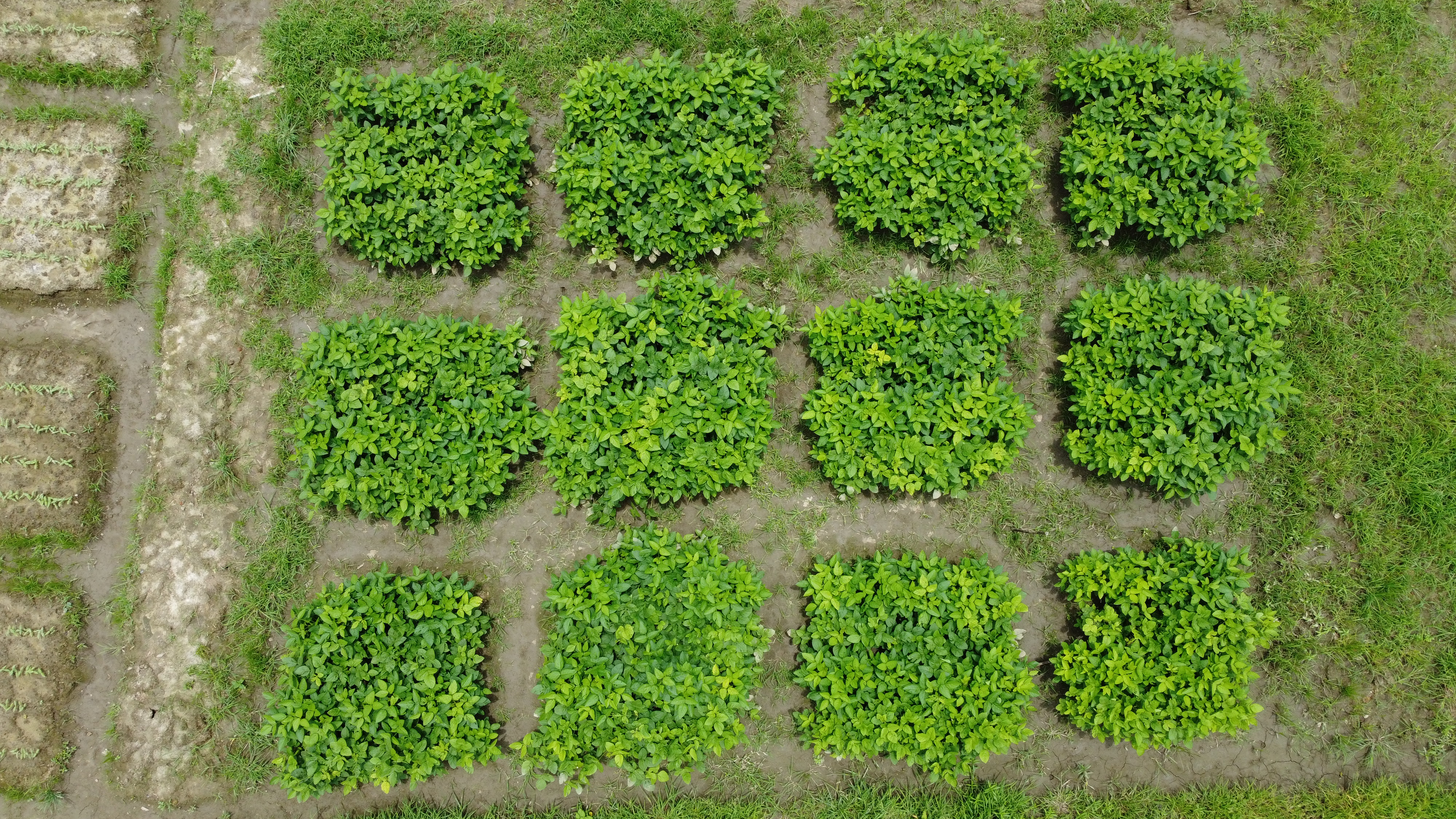
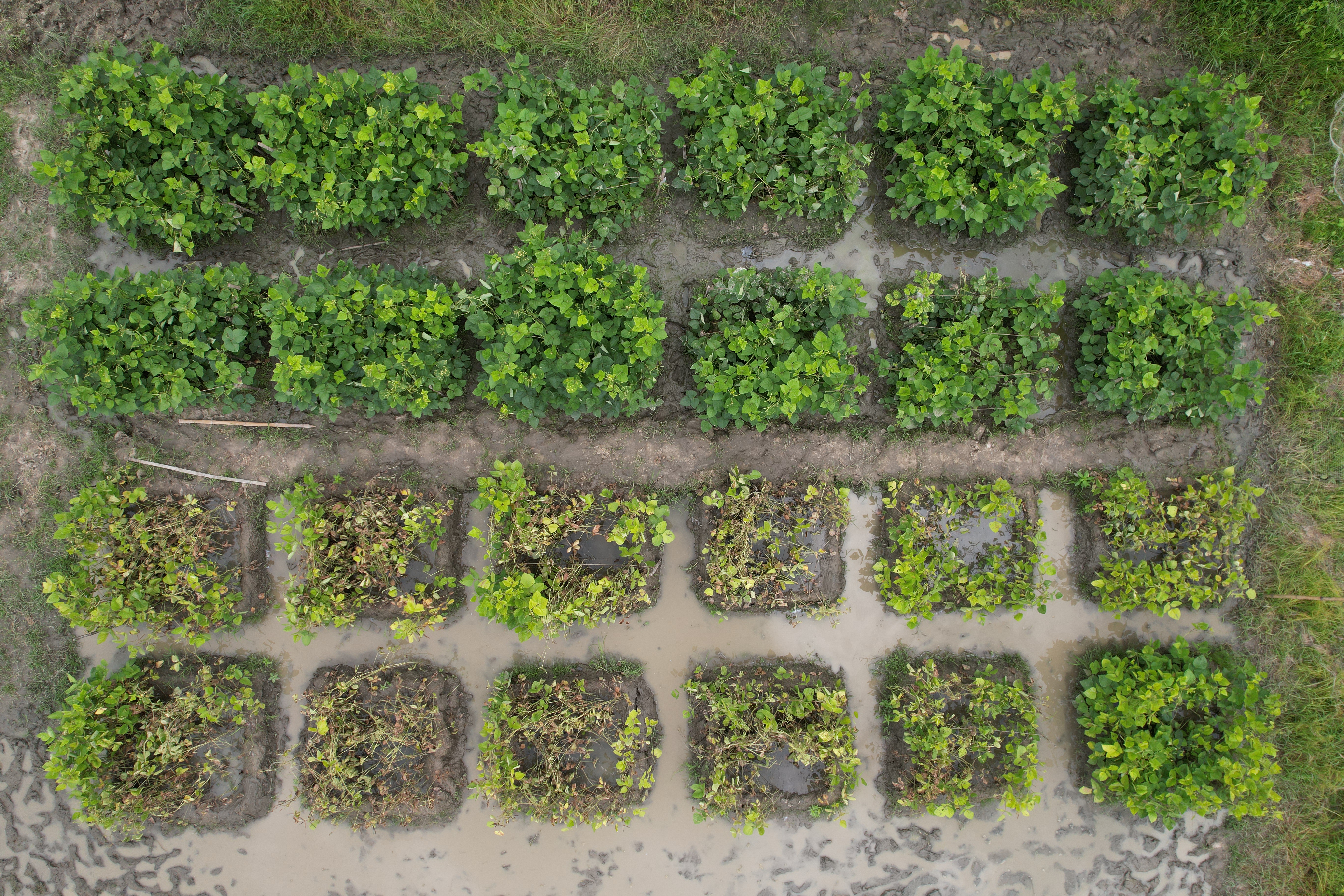
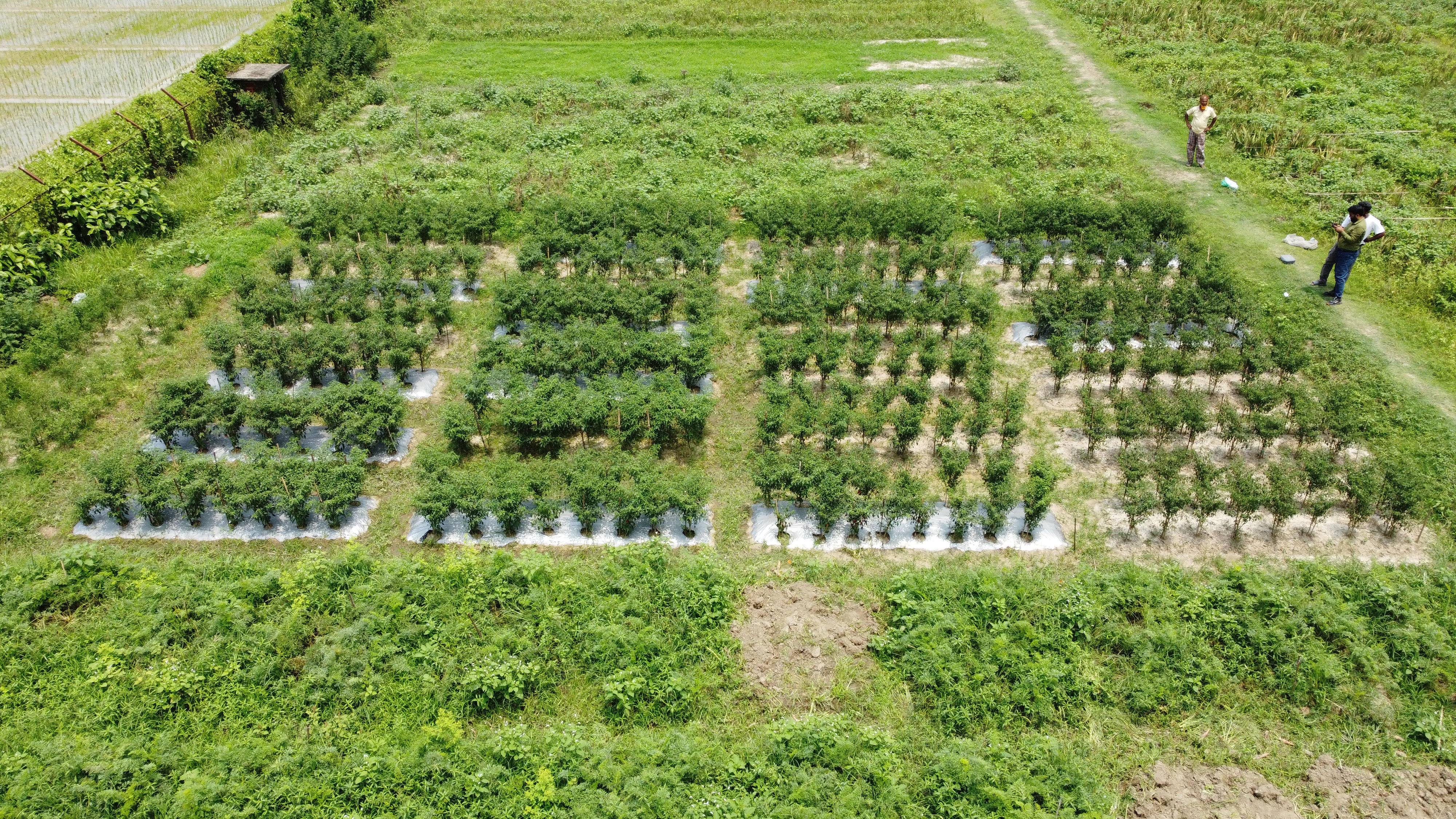
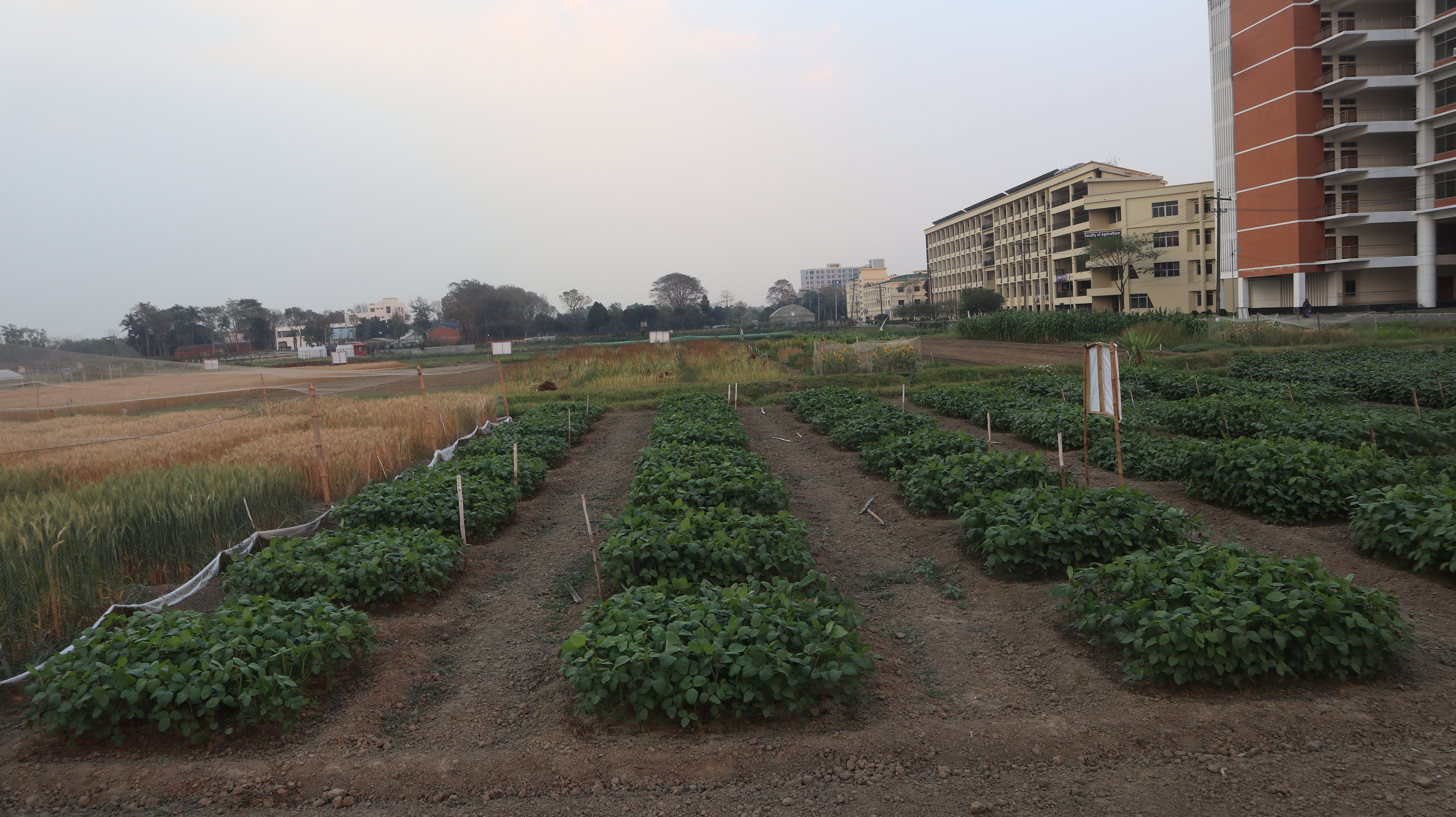
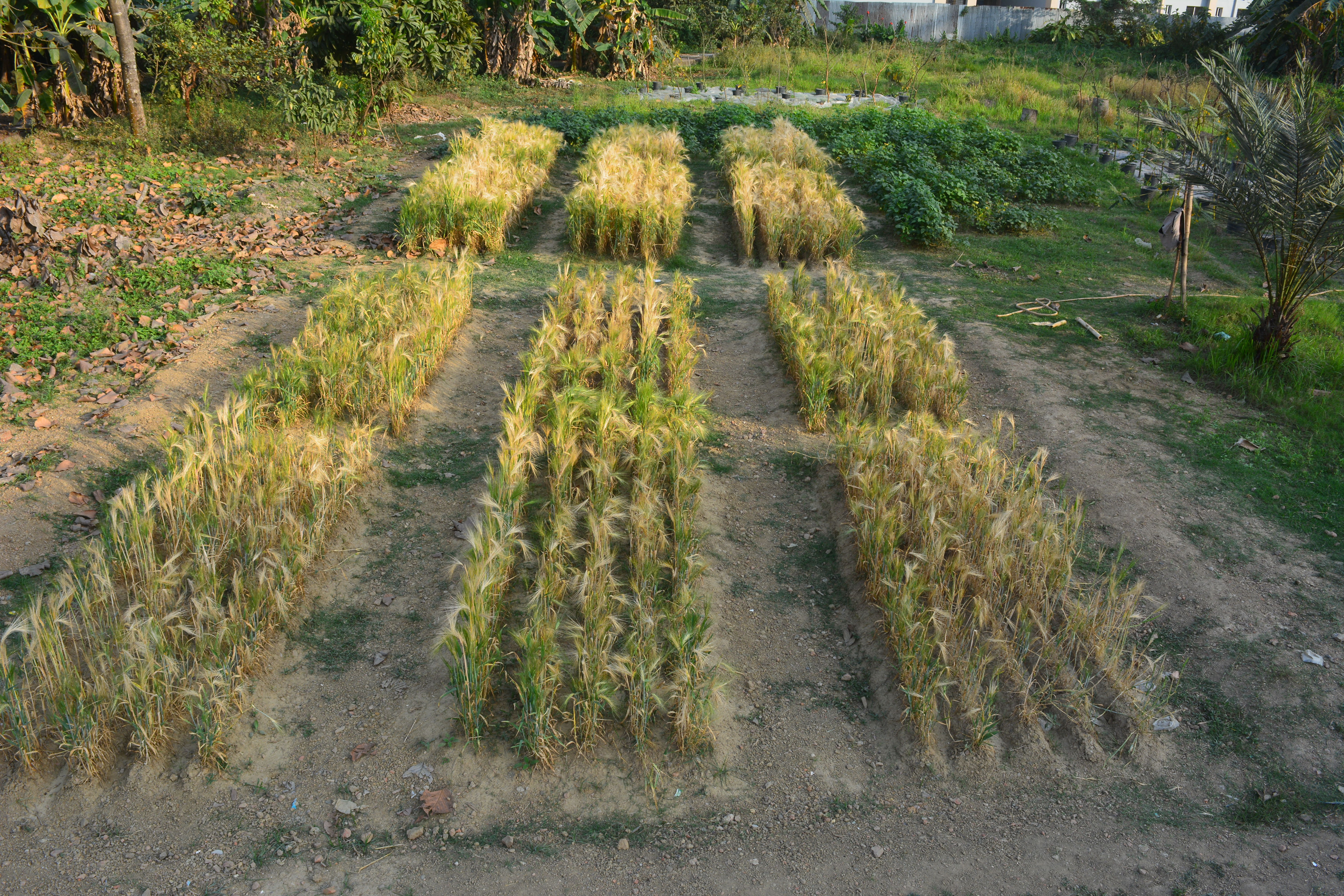
About Me
Linking phenotype, genetics, and molecular mechanisms under combined stress.
I am a plant scientist and Postdoctoral Research Associate in Plant Systems Biology, Biosciences Division, at Oak Ridge National Laboratory. My research investigates how trees and crops respond to combined abiotic stresses, including heat, drought, salinity, waterlogging, and their combinations.
I combine imaging-based phenotypes with physiological, genetic, and molecular data, so that visible traits can be interpreted biologically rather than only measured.
My current work centres on Populus. My crop research spans soybean, cotton, sorghum, maize, wheat, barley, rice, and chilli. Across both, I aim to identify biologically meaningful and agriculturally useful resilience traits.
Professional Profile
- Current Position Postdoctoral Research Associate
- Research Group Plant Systems Biology
- Organisation Oak Ridge National Laboratory
- Research Focus Combined abiotic stress biology and climate resilience
- Location Oak Ridge, Tennessee, USA
- Email mrahman [at] gau.edu.bd
Research Profile
82
12
3,234
31
Research impact at a glance
First-author papers
Citations, OpenAlex (13 Oct 2026)
h-index, OpenAlex (13 Oct 2026)
Citations and h-index are read live from OpenAlex each time this page loads; the figures shown are the last values I recorded if the service cannot be reached. OpenAlex matches authors automatically, so its numbers differ from Google Scholar, where my figures were 2,465 citations, h-index 27, and i10-index 53 in July 2025. See my Google Scholar profile for current figures. Article and first-author counts are from my ORCID record and CV (October 2026).
Updates
News and updates
Recent appointments, milestones and publications, newest first. Dates are taken from my CV and ORCID record; where only the year is given, the month is not recorded there. Deadlines for calls for papers are those on the publishers' pages.
-
Open call
Call for papers
I am guest editor or topic editor of three collections that are open for submissions: Plant Response to Drought and Combined with Other Abiotic Stresses (Plant Stress, deadline 1 April 2027); Root and Shoot Developmental Plasticity in Response to Stress (Frontiers in Plant Science, deadline 25 March 2027); and Plant Epigenetic Memory Under Abiotic Stress (International Journal of Molecular Sciences, deadline 31 March 2027). Details are under Experience and editorial roles.
-
Publication
Published as last author: Epigenome Editing for Cannabinoid Yield: Targets, Tools, and Priorities in Cannabis sativa, International Journal of Molecular Sciences.
-
Publication
Published as co-author: Advancing chloroplast bioengineering: Innovations, regulatory challenges, and translational pathways for sustainable agriculture, International Journal of Biological Macromolecules.
-
Position
Joined the Plant Systems Biology Group at Oak Ridge National Laboratory (ORNL) as a Postdoctoral Research Associate, working on plant–microbe interactions, multi-omics, and stress physiology.
-
Milestone
Completed my PhD in Plant and Soil Science at Texas Tech University (CGPA 4.00), with a thesis on chemical and genetic strategies to improve soybean growth and yield under drought.
Older news
-
Publication
Published as last and corresponding author: Genotypic control of root sodium uptake drives ion imbalance and stress sensitivity under salinity and waterlogging, Plant Science.
-
Publication
Published as first and corresponding author: Past trauma, better future: how stress memory shapes plant adaptation to drought, Functional Plant Biology.
-
2024–25
Award
Awarded the Doctoral Dissertation Completion Fellowship by Texas Tech University.
-
2023–24
Award
Awarded the Graduate Student Research Support Award and the LeRoy & Claire “Sally” Olsak Endowed Scholarship by Texas Tech University.
The full list is under Publications.
Research Expertise
01
02
03
04
05
06
07
08
Research areas
My research examines plant performance under multiple interacting environmental stresses and links visible phenotypic traits with physiological, genetic, and molecular mechanisms.
- ImageRGB, chlorophyll fluorescence, thermal, and VNIR/SWIR imaging
- MeasureGas exchange, water status, stress biomarkers, ions
- AssociateClimate of origin, population genomics, and GWAS
- ExplainTranscriptomics, metabolomics, proteomics
- ValidateGreenhouse and field trials
Conceptual workflow for the phenotyping-to-mechanism work; the research areas below give the detail.
Combined Abiotic Stress Physiology
Plant responses to drought, heat, salinity, waterlogging, and their combinations, including growth, photosynthesis, water relations, oxidative stress, and recovery.
High-Throughput Plant Phenotyping
Non-destructive plant characterisation using RGB, chlorophyll fluorescence, thermal, and hyperspectral imaging across VNIR and SWIR wavelengths.
Stress Biomarkers and Physiology
Gas exchange, chlorophyll fluorescence, plant water status, oxidative-stress indicators, hormone responses, and ion balance.
Population Genomics and GWAS
Population genetics and genome-wide association studies to connect natural genetic variation with stress-response traits and candidate genes, including associations between genotype tolerance and climate of origin.
Multi-Omics Integration
Integration of transcriptomics, metabolomics, proteomics, genomics, physiology, and phenomics to understand resilience mechanisms under stress.
Field Validation
Validation of important traits and stress-response mechanisms under field conditions, to improve agricultural relevance and climate resilience.
Signalling Molecules and Stress Priming
Roles of phytohormones and signalling molecules, including salicylic and jasmonic acids, strigolactones, melatonin, glutathione, acetic acid, and ethanol, in tolerance to drought, heat, salinity, waterlogging, and metal toxicity.
Plant–Microbe Interactions
Effects of Bacillus spp. and Bradyrhizobium japonicum on soybean root architecture and nodulation under drought and heat, and the role of the microbiome in stress adaptation.
Current Research
Ongoing Research
Ongoing Research
Ongoing Research
Current research projects
Combined Abiotic Stress Responses in Populus
An ongoing study of Populus trichocarpa genotypes collected across the USA and Canada. It combines heat–drought experiments, high-throughput phenotyping, root system architecture, physiology, and biochemistry with population genetics, GWAS, and multi-omics, with the plant microbiome included in the design.
Phenotyping for Stress-Resilience Traits
Developing non-destructive imaging readouts that track how plant responses to stress change over time, and testing them against physiological measurements.
Genetic and Molecular Bases of Climate Resilience
Linking phenotypic variation to its genetic and molecular basis to identify the mechanisms of resilience.
Grant-supported projects at Texas Tech University
Projects for which I helped to prepare the proposals and carried out the research (amounts as listed in my CV).
- Plant-growth-promoting rhizobacteria as a biofertiliser for soybean root traits and yield under drought United Soybean Board, USA · US$106,671
- Combining chemical and genetic strategies to improve soybean growth and yield under drought United Soybean Board, USA · two awards, US$112,000 and US$100,000
- Zinc oxide nanoparticles to improve cotton growth and yield under drought Cotton Incorporated, USA · US$22,000
Scientific Insights
Insight 01
Insight 02
Insight 03
Questions guiding my research
Combined stresses are not simply additive
Plant responses to drought plus heat, salinity plus waterlogging, or other combinations cannot always be predicted from individual stress responses.
Mittler R. (2006) Trends in Plant Science 11: 15–19. doi:10.1016/j.tplants.2005.11.002
Stress responses are dynamic
Repeated phenotyping and physiological measurement make it possible to distinguish stress onset, acclimation, injury, recovery, and resilience over time.
Phenotyping requires biological interpretation
Imaging provides scalable trait data, while physiological and biochemical measurements show what those traits mean biologically.
Research Notes
Notes on plant stress physiology
Short, dated notes on questions of method and interpretation in plant stress research. They are working ideas and arguments, not peer-reviewed results, and each says what would test it.
Loading notes…
Publications
View all publications on Google Scholar →
ORCID record →
Journal articles
82 journal articles from my ORCID record, newest first. My name is in bold. First-author papers (12) and corresponding or co-corresponding author papers (8) are tagged; the full record is also on Google Scholar and ORCID.
Showing 82 of 82 articles
2026 (6)
Advancing chloroplast bioengineering: Innovations, regulatory challenges, and translational pathways for sustainable agriculture
International Journal of Biological Macromolecules · 2026
Beyond the salt barrier: CRISPR-mediated DNA reprogramming to uncouple yield from tolerance in Rice: A review
International Journal of Biological Macromolecules · 2026
Comprehensive Genome-wide Analysis of CBL and CIPK Genes in Corchorus olitorius and C. capsularis: Unveiling their Synergistic Roles in Stress Adaptation and Fiber Development
Journal of Plant Growth Regulation · 2026
Epigenome Editing for Cannabinoid Yield: Targets, Tools, and Priorities in Cannabis sativa
International Journal of Molecular Sciences · 2026
Last authorIntegrative insights into abiotic stress tolerance in finger millet (Eleusine coracana (L.) Gaertn.): linking physiological, biochemical, and molecular perspectives for developing climate-smart cereals
Frontiers in Plant Science · 2026
Rhizobacteria-Mediated Reprogramming of Phytohormone Landscapes for Mitigating Salinity Stress in Plants
International Journal of Molecular Sciences · 2026
2025 (13)
CaNAC67, a stress-responsive NAC transcription factor-encoding gene from chickpea (Cicer arietinum), improves drought tolerance in transgenic Arabidopsis thaliana
Plant Physiology and Biochemistry · 2025
Comparative effects of ZnSO4 and ZnO-NPs in improving cotton growth and yield under drought stress at early reproductive stage
Plant Science · 2025
Disruption in Jasmonic Acid Biosynthesis Influences Metabolism of Other Hormones in Arabidopsis
Journal of Plant Growth Regulation · 2025
Genome-Wide Association Study for Nodule Traits in Guar
Current Issues in Molecular Biology · 2025
Last authorGenotypic control of root sodium uptake drives ion imbalance and stress sensitivity under salinity and waterlogging
Plant Science · 2025
Corresponding authorLast authorHaploid Production in Cannabis sativa: Recent Updates, Prospects, and Perspectives
Biology · 2025
Improved Biomass Production and Secondary Metabolism: A Critical Review of Grafting in Cannabis sativa
Plants · 2025
Light Quality Plays a Crucial Role in Regulating Germination, Photosynthetic Efficiency, Plant Development, Reactive Oxygen Species Production, Antioxidant Enzyme Activity, and Nutrient Acquisition in Alfalfa
International Journal of Molecular Sciences · 2025
Novel Strategies for Designing Climate‐Smart Crops to Ensure Sustainable Agriculture and Future Food Security
Journal of Sustainable Agriculture and Environment · 2025
Past trauma, better future: how stress memory shapes plant adaptation to drought
Functional Plant Biology · 2025
First authorCorresponding authorRevolutionizing Metabolic Engineering in Cannabis sativa L.: Harnessing the Power of Hairy Root Culture
Phyton International Journal of Experimental Botany · 2025
Strategies to develop climate-resilient chili peppers: transcription factor optimization through genome editing
Planta · 2025
Corresponding authorThirsty, soaked, and thriving: Maize morpho-physiological and biochemical responses to sequential drought, waterlogging, and re-drying
Plant Stress · 2025
Corresponding authorLast author2024 (14)
Acetic acid: a cheap but chief metabolic regulator for abiotic stress tolerance in plants
Stress Biology · 2024
First authorDe Novo Regeneration of Cannabis sativa cv. Cheungsam and Evaluation of Secondary Metabolites of Its Callus
Horticulturae · 2024
Enhancing drought tolerance in chilli pepper through AdDjSKI-mediated modulation of ABA sensitivity, photosynthetic preservation, and ROS scavenging
Physiologia Plantarum · 2024
Ethanol-mediated cold stress tolerance in sorghum seedlings through photosynthetic adaptation, antioxidant defense, and osmoprotectant enhancement
Plant Stress · 2024
Corresponding authorEucalyptus in Agriculture: Friend or Foe? Analyzing its impact on crop yields, soil dynamics, and farmers’ perceptions in Bangladesh
Agroforestry Systems · 2024
Corresponding authorLast authorExploring the antioxidant and antimicrobial potential of three common seaweeds of Saint Martin's Island of Bangladesh
Heliyon · 2024
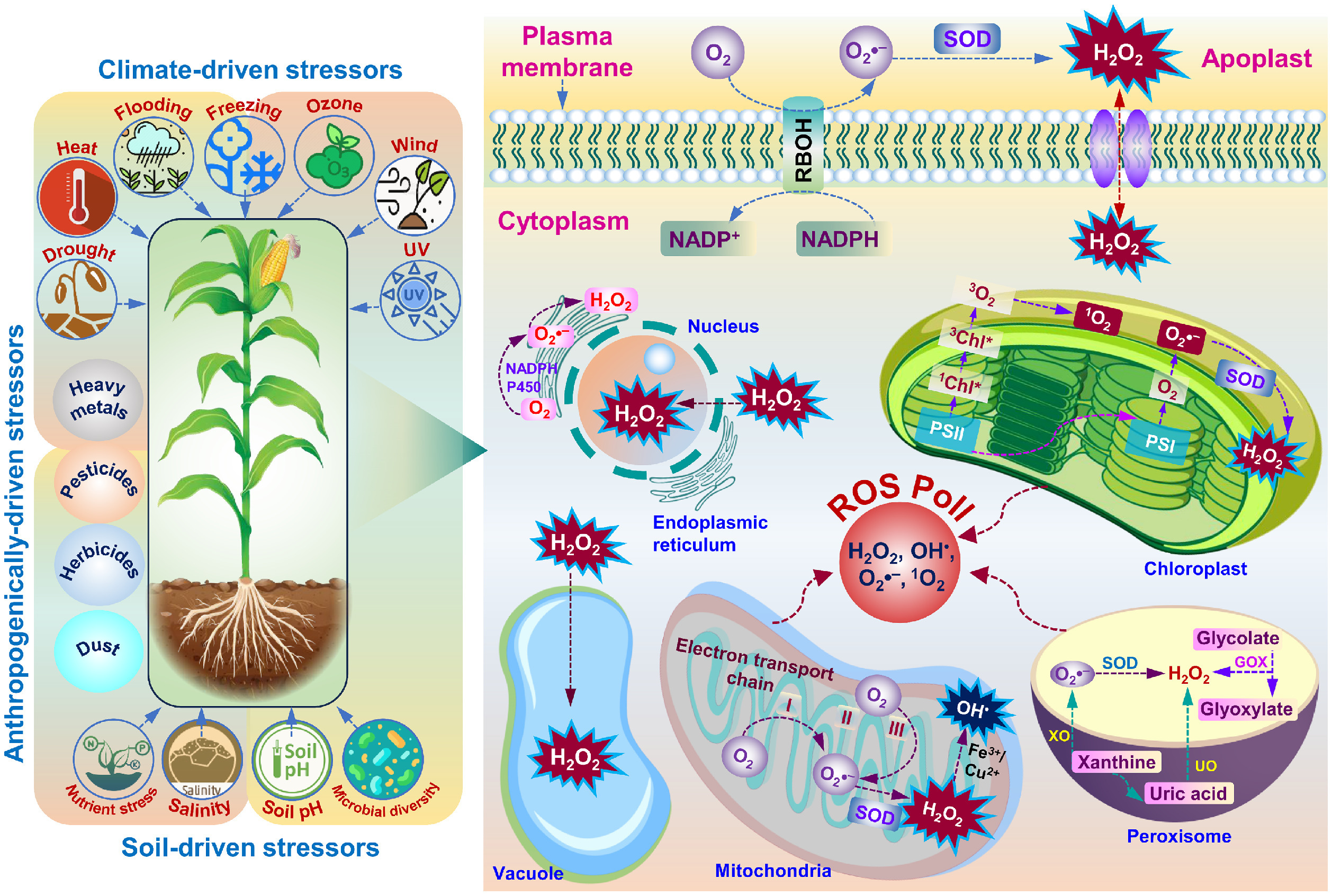
Green vanguards: Harnessing the power of plant antioxidants, signal catalysts, and genetic engineering to combat reactive oxygen species under multiple abiotic stresses
Plant Stress · 2024
First authorIlluminating Cannabis sativa L.: The Power of Light in Enhancing C. sativa Growth and Secondary Metabolite Production
Plants · 2024
Corresponding authorJasmonic acid priming augments antioxidant defense and photosynthesis in soybean to alleviate combined heat and drought stress effects
Plant Physiology and Biochemistry · 2024
First authorMechanistic Insight into the Physiological and Biochemical Traits Improvement by Mycorrhiza Biofertilization in Soybean Under Phosphorus-Starved Conditions
Journal of Plant Growth Regulation · 2024
Plant–Entomopathogenic Fungi Interaction: Recent Progress and Future Prospects on Endophytism-Mediated Growth Promotion and Biocontrol
Plants · 2024
Role of salicylic acid in improving the yield of two mung bean genotypes under waterlogging stress through the modulation of antioxidant defense and osmoprotectant levels
Plant Physiology and Biochemistry · 2024
Salicylic Acid Priming Improves Cotton Seedling Heat Tolerance through Photosynthetic Pigment Preservation, Enhanced Antioxidant Activity, and Osmoprotectant Levels
Plants · 2024
Corresponding authorLast authorSalt stress tolerance in rice (Oryza sativa L.): A proteomic overview of recent advances and future prospects
Plant Stress · 2024
2023 (8)
A changing coastal ecosystem: Cox’s Bazar in southeastern coastal region of Bangladesh
Environment Development and Sustainability · 2023
Biochar potentially enhances maize tolerance to arsenic toxicity by improving physiological and biochemical responses to excessive arsenate
Biochar · 2023
First authorEffect of weather variables on seasonal abundance of rice insects in southeast coastal region of Bangladesh
Journal of Agriculture and Food Research · 2023
Effects of microbial biostimulants (Trichoderma album and Bacillus megaterium) on growth, quality attributes, and yield of onion under field conditions
Heliyon · 2023
Exploring the Phenotypic and Genetic Variabilities in Yield and Yield-Related Traits of the Diallel-Crossed F5 Population of Aus Rice
Plants · 2023
Salicylic Acid Application Improves Photosynthetic Performance and Biochemical Responses to Mitigate Saline Stress in Cotton
Journal of Plant Growth Regulation · 2023
Salicylic Acid Application Mitigates Oxidative Damage and Improves the Growth Performance of Barley under Drought Stress
Phyton International Journal of Experimental Botany · 2023
Zn Supplementation Mitigates Drought Effects on Cotton by Improving Photosynthetic Performance and Antioxidant Defense Mechanisms
Antioxidants · 2023
2022 (7)
Cytokinin and gibberellic acid-mediated waterlogging tolerance of mungbean (Vigna radiata L. Wilczek)
PeerJ · 2022
Effects of glutathione on waterlogging-induced damage in sesame crop
Industrial Crops and Products · 2022
Ethanol Positively Modulates Photosynthetic Traits, Antioxidant Defense and Osmoprotectant Levels to Enhance Drought Acclimatization in Soybean
Antioxidants · 2022
First authorEthanol Treatment Enhances Physiological and Biochemical Responses to Mitigate Saline Toxicity in Soybean
Plants · 2022
Karrikin Receptor KAI2 Coordinates Salt Tolerance Mechanisms in Arabidopsis thaliana
Plant and Cell Physiology · 2022
Potassium in plant physiological adaptation to abiotic stresses
Plant Physiology and Biochemistry · 2022
Scaling up of jujube-based agroforestry practice and management innovations for improving efficiency and profitability of land uses in Bangladesh
Agroforestry Systems · 2022
2021 (10)
Acclimation of liverwort Marchantia polymorpha to physiological drought reveals important roles of antioxidant enzymes, proline and abscisic acid in land plant adaptation to osmotic stress
PeerJ · 2021
Acetic acid improves drought acclimation in soybean: an integrative response of photosynthesis, osmoregulation, mineral uptake and antioxidant defense
Physiologia Plantarum · 2021
First authorAdaptive Mechanisms of Halophytes and Their Potential in Improving Salinity Tolerance in Plants
International Journal of Molecular Sciences · 2021
First authorAntioxidants and Bioactive Compounds in Licorice Root Extract Potentially Contribute to Improving Growth, Bulb Quality and Yield of Onion (Allium cepa)
Molecules · 2021
Glutathione improves rice tolerance to submergence: insights into its physiological and biochemical mechanisms
Journal of Biotechnology · 2021
Melatonin alleviates drought impact on growth and essential oil yield of lemon verbena by enhancing antioxidant responses, mineral balance, and abscisic acid content
Physiologia Plantarum · 2021
Silicon in mitigation of abiotic stress-induced oxidative damage in plants
Critical Reviews in Biotechnology · 2021
Silicon-mediated heat tolerance in higher plants: A mechanistic outlook
Plant Physiology and Biochemistry · 2021
Strigolactones Modulate Cellular Antioxidant Defense Mechanisms to Mitigate Arsenate Toxicity in Rice Shoots
Antioxidants · 2021
Strigolactones regulate arsenate uptake, vacuolar-sequestration and antioxidant defense responses to resist arsenic toxicity in rice roots
Journal of Hazardous Materials · 2021
2020 (3)
Malta-based agroforestry system: an emerging option for improving productivity, profitability and land use efficiency
Environmental Sustainability · 2020
Last authorPerformance of Spices as Lower–Storey Crop in Jackfruit–Papaya Multistorey Agroforestry System in Bangladesh
Journal of the Faculty of Agriculture Kyushu University · 2020
Salicylic acid antagonizes selenium phytotoxicity in rice: selenium homeostasis, oxidative stress metabolism and methylglyoxal detoxification
Journal of Hazardous Materials · 2020
2019 (7)
Acetic acid: a cost-effective agent for mitigation of seawater-induced salt toxicity in mung bean
Scientific Reports · 2019
First authorExtracts from Yeast and Carrot Roots Enhance Maize Performance under Seawater-Induced Salt Stress by Altering Physio-Biochemical Characteristics of Stressed Plants
Journal of Plant Growth Regulation · 2019
Insight into salt tolerance mechanisms of the halophyte Achras sapota: an important fruit tree for agriculture in coastal areas
Protoplasma · 2019
First authorInteractive Effects of Salicylic Acid and Nitric Oxide in Enhancing Rice Tolerance to Cadmium Stress
International Journal of Molecular Sciences · 2019
Morpho-physiological Response of Gliricidia sepium to Seawater-induced Salt Stress
The Agriculturists · 2019
Last authorOverexpression of GmNAC085 enhances drought tolerance in Arabidopsis by regulating glutathione biosynthesis, redox balance and glutathione-dependent detoxification of reactive oxygen species and methylglyoxal
Environmental and Experimental Botany · 2019
Performance of aroid under jackfruit-based agroforestry system in terrace ecosystem of Bangladesh
Annals of Bangladesh Agriculture · 2019
Last author2018 (3)
Land use functions assessment for sustainable land management: a case study in Barind tract of Bangladesh
Annals of Bangladesh Agriculture · 2018
Productivity and Profitability of Jackfruit-Eggplant Agroforestry System in the Terrace Ecosystem of Bangladesh
Turkish Journal of Agriculture - Food Science and Technology · 2018
Last authorSalicylic Acid-Mediated Enhancement of Photosynthesis Attributes and Antioxidant Capacity Contributes to Yield Improvement of Maize Plants Under Salt Stress
Journal of Plant Growth Regulation · 2018
2017 (1)
Mechanistic Insight into Salt Tolerance of Acacia auriculiformis: The Importance of Ion Selectivity, Osmoprotection, Tissue Tolerance, and Na+ Exclusion
Frontiers in Plant Science · 2017
First author2016 (7)
Correlation and path coefficient analysis of Blackgram (Vigna mungo L.)
Journal of Bioscience and Agriculture Research · 2016
Effect of management practices on the growth and yield of lime and lemon
International Journal of Biosciences (IJB) · 2016
Genetic study and selection of soybean lines for higher yield
International Journal of Biosciences (IJB) · 2016
Growth, Yield and Nutrient Uptake Capacity of Rice under Different Sulphur Levels
Turkish Journal of Agriculture - Food Science and Technology · 2016
Impacts of climate variability on major food crops in selected agro-ecosystems of Bangladesh
Annals of Bangladesh Agriculture · 2016
Morpho-physiological response of Acacia auriculiformis as influenced by seawater induced salinity stress
Forest Systems · 2016
First authorSpecies diversity and productivity at different microsite of homestead in the terrace ecosystem of Bangladesh
Annals of Bangladesh Agriculture · 2016
Last author2015 (3)
Contribution of boron doses on growth and yield of different broccoli genotypes
International Journal of Sustainable Crop Production · 2015
Last authorInitiating rain water harvest technology for climate change induced drought resilient agriculture: scopes and challenges in Bangladesh
Journal of Agriculture and Environment for International Development (JAEID) · 2015
Last authorMonitoring natural sal forest cover in Modhupur, Bangladesh using temporal Landsat imagery during 1972 – 2015
International Journal of Environment · 2015
Book chapters and preprint
- Book chapter Ahsan S, Rahman MM, Injamum-Ul-Hoque M, Choi HW, Rahman MA. Deciphering the role of melatonin in modulating root system architecture, endogenous hormones, plant development, and abiotic stress tolerance in horticultural plants. Melatonin in Horticultural Plants A Multifunctional Molecule for Abiotic Stress Tolerance, 2025.
- Book chapter Ahsan SM, Imran M, Hoque MIU, Shaffique S, Shazad R, Rahman MM, Lee IJ, Woo CH, Ray RL. Nanotechnology in Crop Protection. Nanotechnology in the Life Sciences, 2024.
- Preprint Islam MR, Rahman MM, Akter M, Zama E, Keya SS, Hasan M. Insights into the role of cytokinin and gibberellic acid in improving waterlogging tolerance of mung bean. Research Square, 2021.
Professional Experience
Research and academic appointments
November 2025 – Present
Postdoctoral Research Associate
Plant Systems Biology, Biosciences Division, Oak Ridge National Laboratory, USA
Conduct an ongoing heat–drought study of a Populus trichocarpa genotype panel from across the USA and Canada. The work combines high-throughput phenotyping at the Advanced Plant Phenotyping Laboratory, physiology (gas exchange, water potential, stomatal traits), root system architecture, and biochemistry (antioxidants, osmoprotectants, stress markers) with population genetics, SNP-based GWAS, transcriptomics, metabolomics, proteomics, and metagenomics of the associated microbiome.
September 2021 – June 2025
Graduate Research Assistant
Texas Tech University, USA
Led research on how signalling molecules and phytohormones affect crop tolerance to single and combined abiotic stresses. Studied how Bacillus spp. and Bradyrhizobium japonicum shape soybean root architecture and nodulation, with reciprocal grafting to test source–sink effects on yield under drought and heat. Mentored graduate and undergraduate researchers and contributed to proposals funded by the United Soybean Board and Cotton Incorporated.
July 2015 – June 2021
Researcher
CIFOR-ICRAF, Bangladesh
Conducted research on agroforestry, tree–crop interactions, plant stress, and environmental resilience, including germplasm collection and orchard establishment. Coordinated international projects with collaborators in the USA, South Korea, Japan, Nepal, and Sri Lanka.
2017 – 2019
Research Collaborator
National and international research consortia
Research on climate resilience and soil–plant interactions within projects and consortia involving the National Science Foundation, the Asia-Pacific Network for Global Change Research, Bangabandhu Sheikh Mujibur Rahman Agricultural University (BSMRAU), Virginia Tech, and Kansas State University.
Editorial and professional service
- Editorial board member, Frontiers in Plant Science
- Editorial board member, BMC Plant Biology
- Editorial board member, Journal of Crop Health
- Editorial board member, Discover Plants
- Junior editorial board member, Plant Stress (Elsevier)
- Manuscript reviewer, including Agricultural Water Management, Agroforestry Systems, Antioxidants, BMC Plant Biology, Environmental and Experimental Botany, Journal of Plant Growth Regulation, Plant Physiology and Biochemistry, Plant Stress, Plants, PeerJ, and Scientific Reports
- Member, American Society of Agronomy, Crop Science Society of America, and Soil Science Society of America
Guest editing: special issues and research topics
- Guest Editor, Plant Response to Drought and Combined with Other Abiotic Stresses: Physiological, Molecular, and Genetic Mechanisms of Tolerance — Plant Stress (Elsevier). Submission deadline: 1 April 2027.
- Topic Editor, Root and Shoot Developmental Plasticity in Response to Stress — Frontiers in Plant Science (Frontiers). Submission deadline: 25 March 2027.
- Guest Editor, Plant Epigenetic Memory Under Abiotic Stress — International Journal of Molecular Sciences (MDPI). Submission deadline: 31 March 2027.
Scope, article-type requirements and any publication charges are set by each publisher; please check the linked page before submitting.
Global Collaboration Network
International research collaborations
My research collaborations extend across multiple countries through co-authored scientific publications in plant stress physiology, combined abiotic stress biology, crop resilience, plant molecular biology, genomics, high-throughput phenotyping, and sustainable agriculture.
This map represents countries associated with collaborating researchers and co-author affiliations in published scientific work. Markers show country-level locations, except the primary marker, which is placed at Oak Ridge, Tennessee.
Current research base
Earlier research base and co-author collaboration
International co-author collaboration
Collaborator countries represented on the map
The same countries as text. Choose a country to centre the map on it and read the note on that collaboration.
Education
Academic background
- PhD in Plant and Soil Science Texas Tech University, USA · 2021–2025 · CGPA: 4.00/4.00 Thesis: Combining chemical and genetic strategies for improvement of growth and yield potential of soybean under drought stress.
- MS in Agroforestry and Environment Gazipur Agricultural University, Bangladesh · 2013–2015 · CGPA: 3.90/4.00 Thesis: Elucidation of salinity tolerance mechanisms of Acacia auriculiformis.
- BS (Honours) in Agriculture Patuakhali Science and Technology University, Bangladesh · 2008–2012 · CGPA: 3.86/4.00
Honours and awards
- Davis College Outstanding Graduate Student Researcher Award in Natural Science, Texas Tech University
- Doctoral Dissertation Completion Fellowship, Texas Tech University, 2024–2025
- Graduate Student Research Support Award, Texas Tech University, 2023–2024
- LeRoy & Claire “Sally” Olsak Endowed Scholarship, Texas Tech University, 2023–2024
- Water Conservation Research Scholarship, Texas Tech University, 2022–2023
- Helen DeVitt Jones Graduate Fellowship, Texas Tech University, 2021–2023
- National Science and Technology (NST) Fellowship, Ministry of Science and Technology, Bangladesh, 2013–2015
- Dean’s merit scholarship, Patuakhali Science and Technology University, 2008–2012
Methods and Technical Skills
Research capabilities
Experimental systems
- Combined abiotic stress experiments
- Greenhouse and field trials
Phenotyping and imaging
- High-throughput plant phenotyping
- RGB imaging
- Chlorophyll fluorescence
- Thermal imaging
- VNIR / SWIR hyperspectral imaging
Physiology and biochemistry
- Plant physiology
- Stress biomarker analysis
- LI-6800 gas exchange
- qRT-PCR
- ICP-MS
Genomics and omics
- Population genomics
- Genome-wide association studies
- Transcriptomics
- Metabolomics
- Proteomics
Data analysis
- R statistics and visualisation
Graduate Position Notices
Notices of PhD and MS positions in plant science, USA
Open graduate-student positions in plant science and related fields at US universities, taken from society job boards, university pages and lab pages. Each entry shows when it was last checked. It is a convenience list, not a complete record: always confirm funding, eligibility and the deadline on the original posting. I do not lead a research group; I share these postings from other groups for prospective students.
Loading graduate position notices...
Departments with graduate-programme and assistantship pages
How this works: the list starts with positions I have checked by hand. A daily script, when it is running, also checks selected sources, respects each site's robots.txt, and adds the link, title, a short excerpt and any deadline it finds. Many universities advertise positions only on lab pages or by email, so coverage is partial. Not affiliated with the institutions listed.
Work with me
Collaborate
My work is transdisciplinary and already involves collaborators in several countries (see the collaboration map). I welcome new collaborations from plant physiologists, geneticists, breeders, microbiologists, data scientists, and engineers who share an interest in how plants cope with combined stresses.
If you would like to work together, please send a short description of the idea, the species or system, and what each partner could contribute. Ways in which I can take part include:
- joint experiments and field or greenhouse validation;
- image-based phenotyping and trait analysis;
- GWAS, population genomics and multi-omics integration;
- co-authored reviews, perspectives and grant proposals.
My research areas
- Combined abiotic stress physiology
- High-throughput plant phenotyping
- Stress biomarkers and physiology
- Population genomics and GWAS
- Multi-omics integration
- Field validation
- Signalling molecules and stress priming
- Plant–microbe interactions
Each area is described under Research, and the outputs are listed under Publications.
Contact and Research Profiles
Connect with me
I welcome collaboration in combined abiotic stress biology, high-throughput phenotyping, plant physiology, population genomics, GWAS, multi-omics, and climate-resilient agriculture.